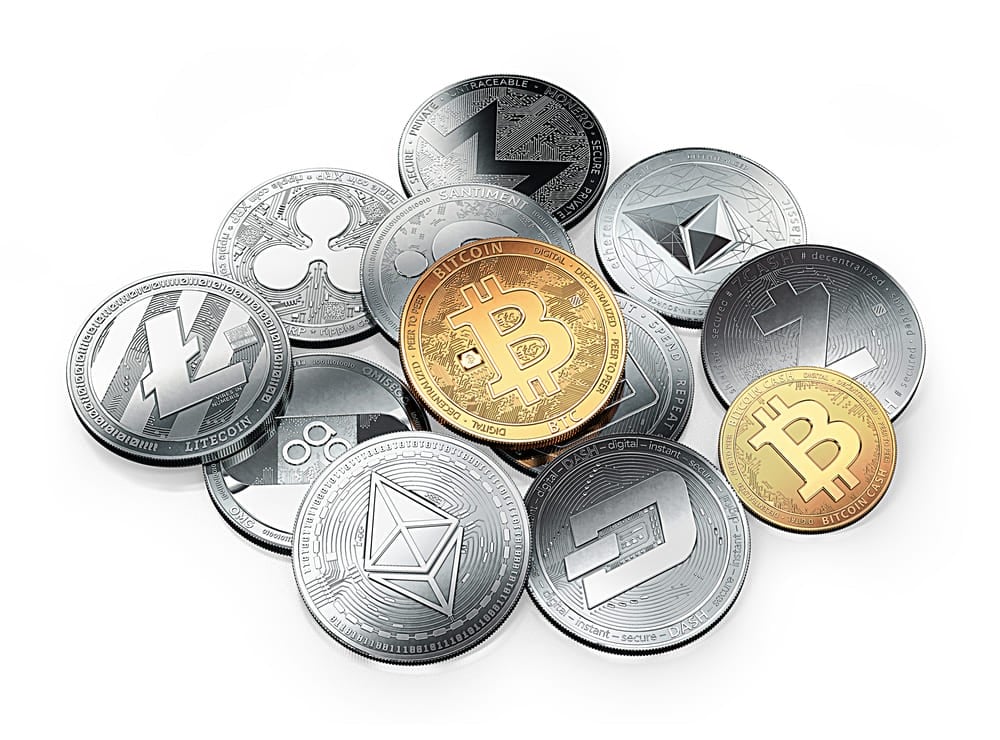



AA CRYPTO PK INC. notes that Ethereum remains one of the most significant and technologically advanced blockchain platforms in the world. Despite the ongoing volatility of the cryptocurrency market, the network demonstrates sustainable development thanks to constant updates, an expanding decentralized application (dApp) ecosystem, and growing interest from institutional investors.
Ethereum has long since transcended the boundaries of a simple cryptocurrency. Today, it's a fully-fledged infrastructure for creating smart contracts, decentralized financial services (DeFi), NFT projects, gaming platforms, and enterprise blockchain solutions. Thanks to its high developer activity and regular technical improvements, the network maintains its leading position among second-generation blockchain projects.
Key Factors Behind Ethereum's Growth
Today, there are several key factors that have a positive impact on the development of the Ethereum ecosystem.
✅ Technology development
Ethereum continues to improve its infrastructure. The network's transition to a Proof-of-Stake (PoS) consensus mechanism has significantly reduced energy consumption, increased network security, and created conditions for further scaling.
Subsequent updates are aimed at:
- increasing the speed of transaction processing;
- reduction of commissions;
- development of Layer-2 solutions;
- improving the performance of smart contracts;
- improving user security.
✅ Growing institutional interest
More and more large investment firms are considering Ethereum as a promising digital asset for long-term capital storage.
Experts point out several reasons for this interest:
- high liquidity of the asset;
- developed ecosystem;
- transparent development model;
- support for the largest cryptocurrency exchanges;
- active use in corporate projects.
Institutional investment is traditionally viewed by the market as one of the most important factors in strengthening trust in digital assets.
✅ DeFi Development
Ethereum remains the largest platform for decentralized finance projects.
This is where thousands of services operate, allowing users to:
- receive income from staking;
- provide liquidity;
- apply for cryptocurrency loans;
- exchange digital assets without intermediaries;
- participate in DAO projects.
The total amount of funds locked in Ethereum's DeFi protocols remains one of the highest among all blockchain networks.
Layer-2 solutions become a scaling driver
One of the most important trends of recent years has been the active development of second-level networks.
These include:
- Arbitrum;
- Optimism;
- Base;
- zkSync;
- Starknet.
The use of such technologies allows for a significant reduction in transaction costs and an increase in network throughput without compromising the security of the underlying Ethereum blockchain.
Layer-2 solutions are currently considered one of the main areas for further scaling of the entire ecosystem.
NFTs continue to be part of the ecosystem
Despite the decline in hype around NFTs compared to previous years, the market for digital collectibles continues to grow rapidly.
Ethereum remains the main platform for:
- digital art;
- game items;
- tokenization of intellectual property;
- musical projects;
- collectible digital assets.
Many developers use Ethereum due to its high network reliability and extensive marketplace support.
The developer ecosystem remains the largest
One of the main advantages of Ethereum is its huge international community of developers.
Thousands of specialists create new ones every day:
- applications;
- financial services;
- infrastructure solutions;
- gaming projects;
- tools for business.
The large number of open source libraries and ongoing community support significantly accelerate the adoption of innovative products.
Staking continues to gain popularity
Since Ethereum's transition to Proof-of-Stake, interest in the staking mechanism has grown significantly.
Users get the opportunity to participate in network security by staking their coins as collateral.
The main advantages of staking:
- receiving potential reward;
- network support;
- long-term strategy for storing digital assets;
- participation in the development of the ecosystem.
Experts believe that increasing the volume of ETH staked has a positive effect on network stability.
Possible market prospects
According to analysts at AA CRYPTO PK INC., Ethereum retains high potential for further development due to a combination of several factors:
- constant technological updates;
- increase in the number of users;
- development of corporate blockchain solutions;
- the growing popularity of real-world asset tokenization (RWA);
- expansion of the decentralized finance market;
- integration with international financial services;
- development of second-level solutions.
At the same time, it is important for market participants to consider that the price of cryptocurrencies remains subject to high volatility, and price dynamics depend on a variety of factors, including the macroeconomic situation, regulatory changes, and the overall level of investor interest in digital assets.
What does this mean for the market?
Ethereum continues to prove its status as a key element of the global blockchain industry. Continuous technological development, network scaling, developer activity, and strong business interest form a solid foundation for the ecosystem's continued growth. The platform remains an essential tool for creating innovative digital products and one of the most sought-after blockchains for projects in DeFi, NFTs, asset tokenization, and enterprise solutions.
According to AA CRYPTO PK INC., Ethereum's future development will depend on the successful implementation of new technical updates, the expansion of blockchain technology's practical application, and the overall state of the global digital asset market. Despite existing market risks, Ethereum maintains its position as one of the most influential projects in the cryptocurrency industry and continues to play a vital role in shaping the future of the digital economy.